
Installation Instruction Aluminium Conductor
When installing aluminium conductors, there are certain material properties that require special attention. Aluminium forms a solid oxide layer after only a short time. If this is not removed correctly during connection, the contact resistance increases.
HORA eTec’s plated terminal blocks are approved for use with aluminium conductors. A special coating ensures reliable and long-lasting contact between copper and aluminium conductors. This requires the aluminium conductors to be properly prepared and treated.
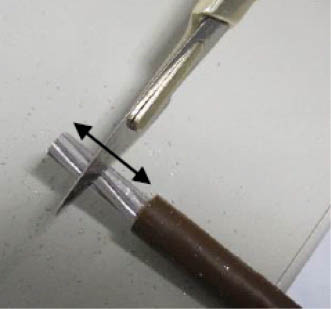
Step 1: Removing the oxide layer
The stripped end of the conductor must be carefully cleaned of the oxide layer by scraping, e.g. with a knife. Brushes, files or sandpaper must not be used, to ensure that no aluminium or iron particles remain or are transferred to other conductors.
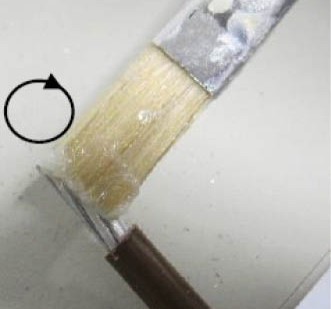
Step 2: Greasing the conductor
Immediately after removing the oxide layer, the end of the conductor must be coated with a neutral grease, e.g. acid- and alkali-free Vaseline. The cleaned and greased conductor must be connected to the terminal right away, before oxygen causes a non-conductive oxide layer to form again.
The aluminium conductor should only be installed by qualified personnel using suitable tools and in accordance with the relevant health and safety measures.
These procedures must be repeated if the conductor has been disconnected and is being reconnected.
Maintenance note:
The specified torques must be checked at regular maintenance intervals.
Your contact
Our product manager for electrical components will be happy to advise you on any queries you may have on this subject.

Jan-Oliver Kühn
Product Manager BU Components
Phone: +49 (0) 52 23 / 49 80-53
E-mail: jan-oliver.kuehn@hora-etec.com
You can find an overview of our range of electrical components in our latest catalogue, which you can download here.
